Wednesday, 4 May 2011

Ayurvedic Home Remedies: Some Useful Remedies Using Papaya


Though papaya (Carica papaya) is a native of tropical America, it is found all over India,Sri LankaThailand and most of the eastern countries. Well known for its rapid growth, the papaya tree grows to a height of 5-6 m.It doesn’t have a woody stem and tends to get uprooted in cyclones.
Milky latex from the unripe fruit has exceptional medicinal qualities. It is a well known vermifuge. It is also used in the manufacture of chewing gums.
Given below are some home remedies using papaya.
For the expulsion of intestinal worms the papaya latex is mixed with castor oil and taken once in the early mornings. For adults the quantity advised is 60 drops of the milk mixed with 30 drops of castor oil. In case of children, oral administration of 15 drops of castor oil is mixed with 15 drops of the latex is suggested. This is a time tested remedy for intestinal worms, very effective and with no adverse side effects.
For a rapid cure of stubborn ulcers in mouth, tongue, throat etc, application of this latex is recommended. This is found to have cured even persistent ulcers that are resistant to conventional medicinal systems.
For treating skin diseases, especially the scabies and scalp eczema varieties, the papaya latex is mixed with alum powder and the paste is applied on the affected areas. The area is then cleaned with warm water after an hour.
One simple way to lose weight is by consuming unripe papaya fruits both raw and cooked. Meat is said to become tender rapidly when cooked with tender papaya fruit.
Pregnant women should keep away from both unripe and ripe papaya fruit in the early stages of their pregnancy. These fruits have a tendency to abort the formation of the fetus.
The ripe papaya fruit is very effective in treating inflammation of liver and spleen.It improves digestion and cures constipation. In case of urinary tract inflammation, this fruit is a very effective compliment to the conventional medicine. Regular intake of this fruit prevents UTI.
The fruit is not expensive and is available in plenty throughout the year. It is an ideal fruit for the breakfast. Papaya juice is very tasty and has excellent nutritional value. Add papaya to your diet and reap rich benefits.

Ayurvedic Remedies: Oil Pulling and Ayurveda


Oil pulling or oil swishing is an age-old practice recommended by Ayurveda. This is done in the mornings on empty stomach after brushing your teeth. A teaspoonful of sesame oil is taken and swished in your mouth for 15-20 minutes. This is a form of cleansing recommended by Ayurveda. This is said to remove toxins from our body. The modern version of oil pulling is done using sesame oil or sunflower oil, before brushing your teeth. The term ‘oil pulling’ was coined by Dr. Karach after he experimented swishing oil in the above mentioned method and cured himself of a horrible blood disease. He further studied it, systematised it and propagated it throughout the world.


I have just finished my tonight’s swishing and had my supper. I re-started doing this from the morning. I had done this some 10 years back and had good results but don’t know why I stopped it. Yesterday I stumbled upon this forumhttp://www.curezone.com/forums/f.asp?f=738 here people share their experiences of oil pulling. After going through the site, I thought I should start oil pulling again, and here I am typing this post after my second session of oil pulling. Today morning, after the initial swishing, I felt my mouth to be fresh, didn’t have the late evening headache. I felt active throughout the day. Good results for a single session of oil pulling! I have made up my mind to continue this, and make it into a daily habit.

My vegetarian experiment is continuing. Also, no tea and coffee. Now my daily regimen is like this. I get up at 6:30 in the morning. I do the oil pulling first thing in the morning the first 20 minutes. I can also do some multi-tasking along with oil pulling. I can check mails, iron my shirts and pants, do some warming up exercises. Then I brush my teeth. I drink 2-3 glasses of water after this. Then I start doing some yogasanas. I start with suryanamaskars 10 cycles, then sarvangasana, dhanurasana, halasana, padmasana and savasana. All this takes around 30 minutes. Now it would be around 7:30 in the morning. Then I will have my bath, have breakfast and get ready. My office shift is from 2:00 pm to 10:00 pm. I work as a consultant in another company in the mornings. After a hectic day, I reach home by 11:00, have my supper and go to bed by 12:00. Now it is 11:45 pm when I am typing this.

Now for some benefits of oil pulling. Regular swishing twice or thrice a day is said to cure you of skin conditions like eczema, acne, digestive problems, sinusitis, migraines, constipation, diabetes, ulcers, post nasal drip, candida overgrowth, arthritis etc.

This is a simple method which is least expensive, with no side effects. Start swishing, and make it a habit. Cultivate healthy habits for better health.

Ayurvedic Home Remedies for Weight Management


For people (who are skinny and look emaciated for no apparent reason) who want to put on weight in a healthy way, mix half tablespoon of gooseberry powder in a glass of milk and drink every night before going to bed. Regular usage will help their physical appearance.

Pumpkin taken regularly for at least three months also results in increase of body weight.

For people who want to reduce their weight in a healthy way following methods can be adopted.

Drink water boiled with cumin seeds (saunf/jeera) frequently.

Fresh juice of the pith of the stem of plantain, or fresh juice of tender grass (arugam pul in Tamil) or fresh juice of pumpkin (!) taken regularly can help in weight loss.

Honey mixed in lukewarm water and taken internally first thing in the morning (in empty stomach) can help in weight loss.

Decoction made of root of mantharai plant (available only in India) can help in weight reduction.

All the above tips will help greatly in reducing weight provided one exercises regularly and is disciplined enough to control his tongue.


Click below to learn about an exciting new computer program for weight loss.

www.conquerovereating.com

Disclaimer: All information provided in this blog is for historical and educational purposes only; statements contained here are reported in an effort to preserve traditional cultural lore and information. Nothing here should be construed as an attempt to diagnose, prescribe, or recommend treatment for any disease or condition. Please consult your physician for medical advice regarding any medical condition and do not use any of the historical information on this site without your physician’s approval.

Ayurveda Herbs for Obesity


Statistics show that people of developed countries are getting plumpier. Even developing countries like India, Brazil etc also one can find obesity on the rise. Whatever the reasons be, Ayurveda can help in reducing weight. It takes into account the person’s mental make up and physical conditions. The whole person is treated.

BMI or body mass index is used for calculating obesity. It is the ratio of weight in kilograms and height in metres. Obese people have a BMI of more than 30. Ideal would be 22 to 25.

Doctors consider lack of physical activity and intake of high calorie fast foods to be the two main reasons for obesity.

Ayurveda texts stress the following to prevent obesity in the first place. For those who are already obese, change of life style and adapting to a strict regimen of dietary restrictions can surely bring about a steady reduction in weight.


  1. Correct and intelligent selection of food. All psychological addictions and cravings should be dealt with strictly.
  2. Green gram should be added to daily diet instead of other pulses. (This is meant mainly for Indians).
  3. Should avoid intake of sweets, salty or oily foods.
  4. Use buttermilk instead of curd.
  5. Drink warm water always.
  6. Gooseberry or amla powder can help reduce obesity.
  7. Takrarishta (a fermented preparation from buttermilk) helps in control of obesity.
  8. Triphala choorna can be taken ideally at bedtime.
  9. Take Musta, Guduchi (has good antineoplastic activity) or Triphala mixed with honey.
Other guidelines:
  1. Regular exercise at least 30 minutes per day.
  2. Avoid afternoon siesta.
  3. Walk vigorously for 30 minutes to 1 hour per day, either in the morning or evening.
Click below to learn about an exciting new computer program for weight loss.

www.conquerovereating.com

Ayurveda for Potbelly


Eating more than what is necessary, eating tough to digest foods, consumption of excessive sweets, oily stuff etc, lack of exercise, lack of sexual activity, daytime sleep and genetic make up are the major contributors to potbellies. One or more of these can be the cause of your potbelly.

While people of third world countries suffer from malnutrition, it is the other way round for those of the affluent nations. Easy availability and mindless consumption of nutritious products result in over-nutrition. Lack of exercise is another reason. The present work culture adds to the problem where physical movement at the workplace is vastly reduced due to the advent of computers, mobile phones etc.

Fat is an adipose tissue which stores energy. It is an important fuel for the body. It is needed to maintain the body heat. Fat that enters the human body through food is digested at different levels and undergoes many changes. Problems in the enzymes that digest fat as well as problems in the glands that secrete these enzymes allow the fat to get stagnated in the body.

Potbelly cannot be called a disease, but can be considered as a precursor to diseases. Difficulty to breathe on slight exertion, lethargy and laziness are some of the symptoms. Once the size of belly increases one is at the risk of diabetes, heart disease and blood pressure. A series of complications ensue.

We become addicted to taste of the junk food and eat beyond what is necessary. Reducing the quantity of food does not necessarily bring down the body weight. Whatever the body can accept gets assimilated and the rest either gets eliminated or gets stored in the body as fat.

Moderation in consumption and timely intake of food helps in digestion and assimilation of nutrition and helps in overall well being.


Heat sour buttermilk and add horsegram powder to it. Massage this mix onto the potbelly in an upward direction from bottom to top and also sideways. Allow this to stay for 15 minutes and then bathe with warm water. Horsegram helps to reduce potbelly.

Also varadhi kashayam 15 ml is added to 60 ml of water. One tablespoon of honey is added to this. This mix should be taken internally morning and evening on empty stomach. This too aids in reducing potbelly.

Click below to learn about an exciting computer program for weight loss.
www.conquerovereating.com

Some Siddha Home Remedies for Nasal Problems


Most of the Siddha home remedies for nose are external. There may be fumes you need to inhale or oil to be applied in the affected areas.

For postnasal drip or rhinorrhea or simple runny nose, light up coconut husk (the fiber outer portion) and inhale the ensuing smoke.

Crush thyme (omam in Tamil) and inhale it. This also helps stop the nasal discharge.

For nasal bleed, instil 2-3 drops of water mixed with alum into the nose.

Soak turmeric in linseed oil. Hold this turmeric over fire preferably a lamp. Inhale the smoke that emanates from it. This also helps runny nose.

Drops for sinus. Pepper, chillies, 25 gm each, and 1/8 litre of ginger extract, adathoda leaf (adathoda vasica) extract, and thoothuvalai leaf (Solanum tribolatum) extract each along with 25 gm of garlic are taken together. Crush the solid elements and add this to 250 mg of linseed oil and heat the whole preparation. After allowing it to boil, cool and filter the oil. Store the oil in a bottle. Before going to bed, take around 15 – 20 drops in hand and inhale the oil into the nostrils. This will result in sneezing and expulsion of water and phlegm. After a good bout of sneezing, drink a glass of water and go to bed. (Obviously this should not be done immediately after supper). Do this for 2-3 nights for sinus congestion.

Neem The King of Ayurvedic Home Remedies Part 1


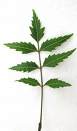
Medicinal plants are part and parcel of human society to combat diseases, from the dawn of civilization. Neem is well known in India and its neighbouring countries for more than 2000 years as one of the most versatile medicinal plants having a wide spectrum of biological activity. The Indian neem is known as margosa tree or Indian lilac and is an evergreen tree, cultivated in various parts of the Indian subcontinent. Every part of the tree has been used as traditional medicine for household remedy against various human ailments, from antiquity. Neem has been extensively used in ayurveda, unani and homoeopathic medicine and has become a cynosure of modern medicine. The sanskrit name of the neem tree is ‘Arishtha’ meaning ‘reliever of sickness’ and hence is considered as ‘Sarvaroganivarani’. The tree is still regarded as ‘village dispensary’ in India. The importance of the neem tree has been recognized by the US National Academy of Sciences, which published a report in 1992 entitled ‘Neem – a tree for solving global problems’.

Clinical studies with the dried neem leaf extract indicated its effectiveness to cure ringworm, eczema and scabies. Lotion derived from neem leaf, when locally applied, can cure these dermatological diseases within 3–4 days in acute stage or a fortnight in chronic case.

A paste prepared with neem and turmeric was found to be effective in the treatment of scabies in nearly 814 people. In 97% of cases, the paste was found to cure scabies within 3–15 days of treatment without any adverse effect.

Neem leaf extract has been prescribed for oral use for the treatment of malaria by Indian ayurvedic practitioners from time immemorial. Dried neem leaves in the form of tea are used by the people of Nigeria and Haiti to treat this disease.

Several clinical studies have been reported with the neem oil. Application of neem oil on the hair has been shown to kill head lice.