Showing posts with label Neem. Show all posts

Wednesday, 4 May 2011

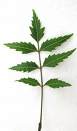
Neem The King of Ayurvedic Home Remedies Part 1


Medicinal plants are part and parcel of human society to combat diseases, from the dawn of civilization. Neem is well known in India and its neighbouring countries for more than 2000 years as one of the most versatile medicinal plants having a wide spectrum of biological activity. The Indian neem is known as margosa tree or Indian lilac and is an evergreen tree, cultivated in various parts of the Indian subcontinent. Every part of the tree has been used as traditional medicine for household remedy against various human ailments, from antiquity. Neem has been extensively used in ayurveda, unani and homoeopathic medicine and has become a cynosure of modern medicine. The sanskrit name of the neem tree is ‘Arishtha’ meaning ‘reliever of sickness’ and hence is considered as ‘Sarvaroganivarani’. The tree is still regarded as ‘village dispensary’ in India. The importance of the neem tree has been recognized by the US National Academy of Sciences, which published a report in 1992 entitled ‘Neem – a tree for solving global problems’.

Clinical studies with the dried neem leaf extract indicated its effectiveness to cure ringworm, eczema and scabies. Lotion derived from neem leaf, when locally applied, can cure these dermatological diseases within 3–4 days in acute stage or a fortnight in chronic case.

A paste prepared with neem and turmeric was found to be effective in the treatment of scabies in nearly 814 people. In 97% of cases, the paste was found to cure scabies within 3–15 days of treatment without any adverse effect.

Neem leaf extract has been prescribed for oral use for the treatment of malaria by Indian ayurvedic practitioners from time immemorial. Dried neem leaves in the form of tea are used by the people of Nigeria and Haiti to treat this disease.

Several clinical studies have been reported with the neem oil. Application of neem oil on the hair has been shown to kill head lice.

Neem The King of Ayurvedic Home Remedies Part 2


All parts of neem have medical value.

Some medicinal uses of neem as mentioned in ayurveda

The leaf is used for treating leprosy, eye problem, epistaxis, intestinal
worms, anorexia, biliousness, skin ulcers.

The bark of the tree is used as an analgesic alternative and curative of fever.

Flower is useful in bile suppression, elimination of intestinal worms and phlegm.
Fruit helps is relieving piles, intestinal worms, urinary disorder, epistaxis, phlegm, eye problem, diabetes, wounds and leprosy.

Twig of neem relieves cough, asthma, piles, phantom tumour, intestinal worms, spermatorrhoea, obstinate urinary disorder, diabetes.

Gum obtained from the bark is effective against skin diseases like ringworms, scabies, wounds and ulcers.

Seed pulp and neem oil is used for treating leprosy and intestinal worms.

The root, bark, leaf, flower and fruit together is used in treating blood morbidity, biliary afflictions, itching, skin ulcer, burning sensation and leprosy.

Some Siddha Remedies for Teeth


In India the twigs of neem tree and banyan tree have been used from time immemorial to clean teeth. Even today you can find people in Indian villages cleaning their teeth using neem twigs. And their strong teeth bear witness to the efficacy of these twigs.
Last week, out of curiosity I started using neem twigs to clean my teeth. I could sense a marked difference in my mouth. My mouth remained fresh throughout the day, which had never happened before.
The neem is a disinfectant and antiseptic. No wonder the Siddha system recommends neem twigs, banyan twigs etc in preparing powders for brushing teeth.
I give below a time tested Siddha tooth powder that can be prepared at home using easily available products.
Twigs of neem tree, mango tree, black plum tree (syzygium cumini), Alexandrian Laurel (punnai), banyan tree, karuvelam or babool (acacia niletica), prickly chaff flower (nayuruvi) are collected. They are powdered and sieved using a piece of muslin. 100 gm of this powder is taken along with 10 gm of fried alum, rice chaff ash 10 gm, sambrani (boswellia serrata var glabra) 10 gm, cloves 3 gm, karuva pattai (wild cinnamon) 3 gm, they are again pounded to a fine powder. Sieve this powder again.
Brushing your teeth using this powder helps cure toothache, pain in gums etc.
Another preparation is as follows.
Pepper 5 gm, chukku (dry ginger) 2 gm, poonkaavi 10 gm, samprani (Boswellia serrata Var.glabra) 10 gm, karuvelam pattai (Acacia nilotica) 40 gm, bottom portion (near stem) of tobacco leaves 5 gm, fried alum 2 gm are taken. They are pounded to powder form. Sieve the powder using muslin. Add 5 gm of camphor to this sieved powder and store it in a bottle. Brush your teeth using this powder morning and evening.
Regular usage helps in curing bleeding of gums, tooth decay etc.

Siddha Remedies for Eye Problems


Eyes are sensitive enough to reflect changes that happen internally in our body.We are familiar with doctors checking the eyes for jaundice. Redness of the eyes in many cases is regarded as increase of “heat” in the body, according to Siddha practitioners. They would say the body has “heated up” and it has to be cooled down. To that end they use both external and internal preparations to regain the needed balance. The redness is cleared once this balance is established.
While some problems of the eye may be due to simple “heat” (“heat” in Siddha terms is when the body’s pH becomes acidic, this may be due to deprivation of sleep, stress etc) from a home remedy perspective, it is always advisable to seek the help of a qualified physician if problems persist for more than three days. Certain problems of the eye require a complete study of the individual to diagnose the exact cause.
Now for some simple remedies of the eye.
Neem flowers help improve eyesight. For this purpose dry neem flowers are used, preferably 6 months to one year old. These flowers are fried lightly using ghee and then taken internally in the form of thuvayal.
The extract of crushed jasmine flowers also help improve eyesight. Four drops of this juice is put in the eyes using a dropper. Regular application will help in clearing up the redness of the eye.
Following preparations are used to “cool” the body.
Arugampul (Bermuda grass) root is dried and powdered. This powder is then fried in ghee and taken internally.
Take a small amount of cumin seeds. Boil the seeds in water. Filter the seeds out.The boiled seeds are then taken internally with cow butter.
For irritation of the eye, kadukkai, gooseberry, neem seeds, coconut, and white pepper are taken in equal quantities and ground to a fine paste. This paste is applied on scalp 5 minutes before bathing. Use this paste once in two days until irritation ceases. This simple Siddha home remedy helps clear eye irritation.

Tuesday, 3 May 2011

Flowers as Ayurvedic Home Remedies


Ayurveda uses flowers to cure certain diseases. Flowers play an important role in our lives. Flowers of various hues and colours soothe your mood and relax your mind. The fragrance of certain flowers cools you down. Certain flowers can cure diseases when eaten. Following are some flowers used for treating diseases.

Rose
Even though many colours of roses are available the original roses are the best ones suited medicinally. This alone has the enchanting fragrance. Rosewater prepared from rose flowers is used as eyedrops to keep away all eye related infections. Kulkund made from rose cures ulcers of the stomach. The powder of dried rose petals acts as excellent laxatives.

Jasmine
Jasmine falls under the category of herbs which cure diseases just by inhaling them. For example, most of the mental disorders decrease in severity on inhaling jasmine flowers. It calms your mind.

Sunflower
Oil obtained from the seeds of sunflower can be applied on acne. This promotes healing without suppuration. When applied on swollen joints it is found to reduce inflammation. Sunflower oil is used in preparing various dishes.

Shoe flower
The red five petaled shoe flower has excellent medicinal value.

5-10 petals of the shoe flower are chewed. Drink a glass of water. This is found to cure ulcers of stomach. Also white discharge or leukorrhea can be treated this way.

The petals of 4-5 flowers are ground into a paste and mixed in buttermilk. Drinking this buttermilk cleanses your blood. It also strengthens your heart.

For hair fall, premature graying, and baldness etc a preparation made of shoe flower has proved to be beneficial. This is how you prepare it. Put petals of 50 shoe flowers in linseed oil and put this oil in a bottle. Wrap it with a thin white cloth and place it in sunlight for 10 days. Stir the oil once morning and evening. Filter the shoe flower out from linseed oil and mix coconut oil of equal quantity. This should be applied everyday on the scalp to prevent hair fall.

Plantain flower

Known for its excellent diuretic property dishes made of plantain flower are good in curing most of the stomach problems. They are also good at curing hemorrhoids. Some excellent dishes can be found here.

Neem flower
Gather neem flowers during the flowering season, clean and dry them. Powder the flowers and store them. This powder can be used in preparing rasam etc, to cure pitha and vadha related diseases. It also protects the liver.